
"What if education wasn't first and foremost about what we know, but about what we love?”
James K.A. Smith
What is education for? A Christian vision of education must serve those ends to which all Christians are called: to love God and neighbor (Matthew 22:36-40). East Bay Classical Academy exists in order to guide students in these loves. Our academic program is thoughtfully crafted to speak to the whole person, guiding students in lives of love, service, wonder, and excellence.
To learn more about what classical education is, see our FAQs.

Curriculum
At East Bay Classical Academy, the curriculum is designed to shape children's bodies, hearts, minds, and relationships toward flourishing – in other words, it is education for whole-person formation.
Practically, this means that the curriculum includes exceptional and age-appropriate instruction in math, science, history, civics, philosophy, and theology. A cornerstone of the curriculum, as with most classical schools, is a liberal arts education, which is founded on a thoughtful and expansive selection of the Great Books. Instruction in the arts and physical movement are central components. Nature provides an endless curriculum for all ages, and the maximum time possible is spent outside.
At the younger grades, tactile and outdoor learning are prioritized. The goal here is not only to work with the natural strengths of young children, but also to use these experiences to encourage the development of wonder and shape students' affections toward the Good, the True, and the Beautiful. As students get older, studying topics of greater complexity, reading primary sources, learning to reason well, and integrating topics from different disciplines take an increasingly prominent role in their education.

Instruction
It has been said that the teacher is the curriculum in a classical school. Excellent learning happens with excellent teaching. Growth in virtue happens best when observing and mimicking virtuous people. These are some of the reasons why we seek the best teachers for East Bay Classical Academy and invest in their success.
Children (and their parents) need to explore, experiment, and experience in order to learn well. At the same time, they (and we) need direction, expertise, and explanations. The instruction at East Bay Classical Academy thus joins discovery, demonstration, and direct instruction.
School Culture
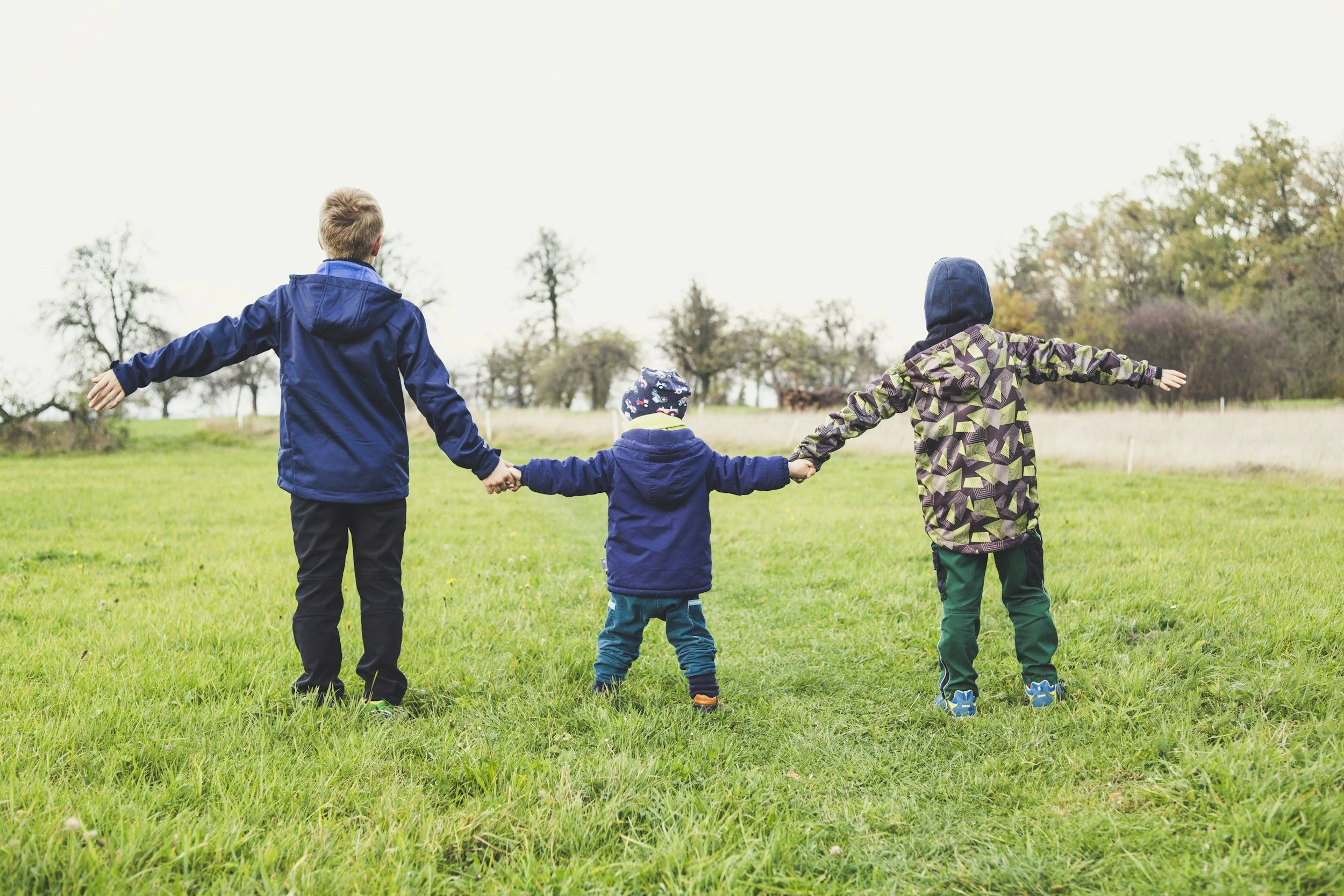
The culture at East Bay Classical Academy starts with the leadership and teachers, who will model loving interactions with one another and with students. Culture will be further formed through daily rhythms of prayer, study, and time outside. Corporate Christian practices, such as participation in morning prayer liturgy, will set the tone for each day. We will also have high expectations for how students will treat one another and adults, and we will approach discipline with both grace and firmness.
As classical education leaders Dr. Kevin Clark and Ravi Jain have said, "Inevitably, the culture of the school educates as much as its curriculum."